Speakers 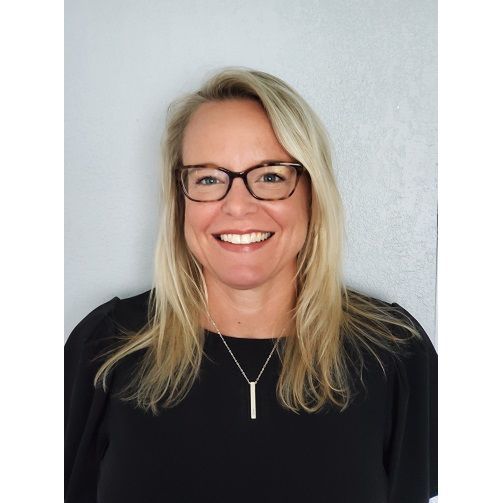
CPA, KapilaMukamal, LLP
Melissa Davis is a Partner at KapilaMukamal, LLP, a boutique CPA firm located in South Florida. Melissa provides forensic accounting, litigation support and insolvency advisory services to clients. She has conducted large scale fraud investigations, including forensic and securities...
Read More →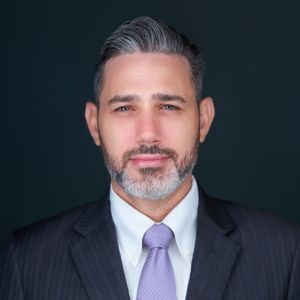
Attorney, Lessne Hoffman, PLLC
Michael is a bankruptcy and creditors' rights and restructuring attorney and a business and commercial litigator. Michael provides counsel to businesses and individuals in a broad array of bankruptcy and insolvency matters. Michael represents bankruptcy trustees and other fiduciaries...
Read More →

